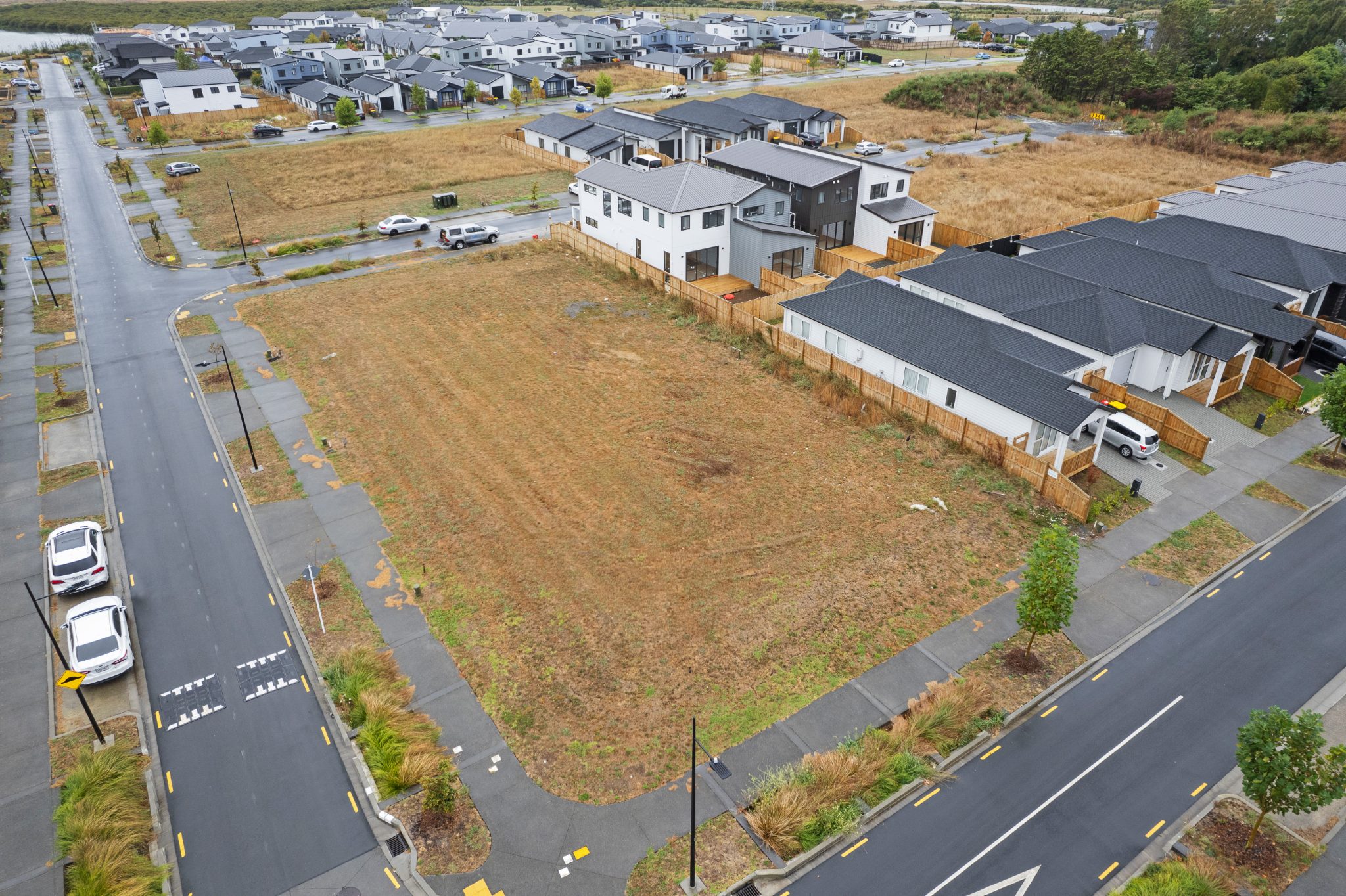
Subdividing can unlock real value from a property, but it is a multi-stage process involving council, surveyors, engineers, LINZ and often neighbours. Knowing the legal path in advance helps you avoid delays and expensive surprises.
1. Feasibility and title checks
Before spending money on plans, check the basics: zoning and minimum lot sizes, access and servicing (water, wastewater, stormwater, power), natural hazards, and what the certificate of title says. Covenants, easements, consent notices and encumbrances can restrict or even prevent a subdivision.
2. Assemble your team
Most projects need a licensed cadastral surveyor, a planner and sometimes an engineer. Your lawyer coordinates the legal documents and makes sure what you are being asked to sign matches what you expect.
3. Subdivision consent
The council assesses the application and may impose conditions such as infrastructure upgrades, financial contributions, building platforms, or restrictions registered against the new titles. Read the conditions carefully; they bind you and later owners.
4. Engineering and construction
Conditions are satisfied on the ground by completing works such as roads, accessways, services and connections. Keep a record of approvals and certificates as you go.
5. Survey plan approval and certification
Once conditions are met, the survey plan is approved and the council certifies compliance. Terminology and some steps may change as the new planning legislation beds in, so check current practice with your surveyor and council.
6. Easements, covenants and legal documents
Shared driveways, rights of way, services easements and any covenants must be drafted properly and registered. Poorly drafted easements are one of the most common causes of later neighbour disputes.
7. New titles issued
When the paperwork is registered with Land Information New Zealand (LINZ), the new titles are issued. Only then can you generally settle sales of the new lots.
Common pitfalls
- Signing unconditional sale agreements before the subdivision is certain.
- Overlooking development contributions or financial contributions in your budget.
- Not seeking tax advice (including GST) on a subdivision and sale.
- Vague or incomplete easement terms.
We can review your title, prepare easements and consent notices, and manage the legal steps through to settlement.
General information only, not legal advice.